Whale watching at Bondi Beach
By Visit Bondi Beach Editorial Team · Updated
Part of our Things to do guide.
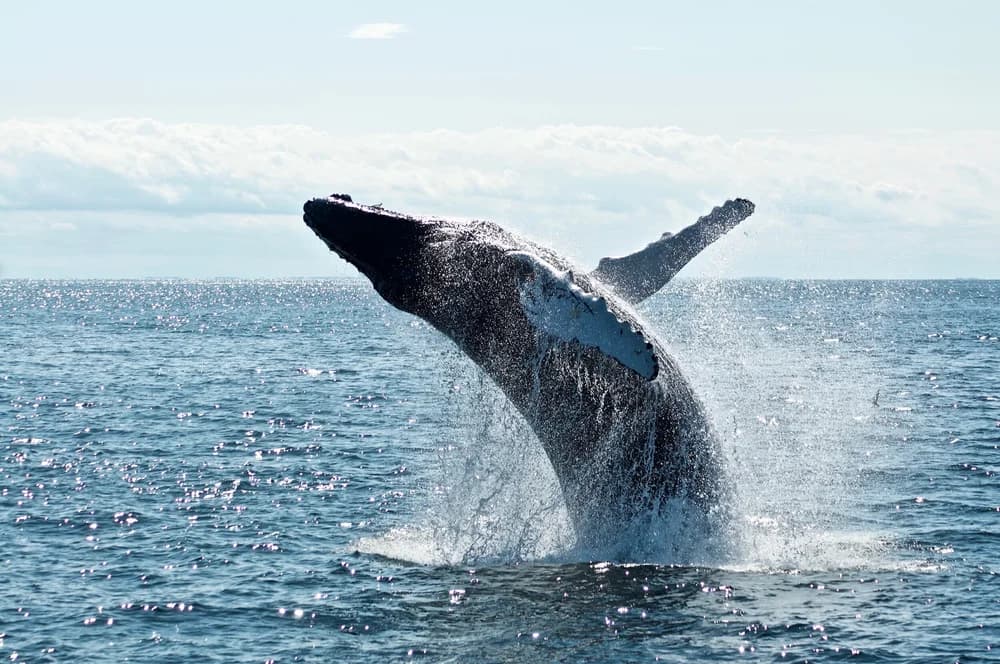
Yes - you can watch whales right from Bondi Beach, and you don't need a boat to do it. Every year between roughly May and November, tens of thousands of humpback whales pass our coast on their migration between the Antarctic and warmer waters up north, and from the right headland you can watch them spout, roll and sometimes breach without leaving dry land. I've lost count of the mornings my coffee went cold because a whale finally showed itself.
- Season
- May–November (roughly)
- Busiest heading north
- Late June to July
- Southbound with calves
- September–November
- Main species
- Humpbacks (occasional southern right)
- Best free spot
- Ben Buckler, north Bondi
- Cost
- Free from the headlands
When to come: the two waves
The migration happens in two passes. Heading north - mostly May through August, peaking in the back half of June into July - the whales travel fast and often a fair way out, so you're scanning the horizon for blows. Then from about September into November they come back south, and this is my favourite window: the mums travel with new calves, they dawdle, and they hug the coast much closer in. For the best odds of a close, unhurried sighting, aim for the southbound leg.
The best vantage points around Bondi
You want height, an open horizon and, ideally, a calm sea. Here's where I go, north to south:
- Ben Buckler, the headland at the northern end of the beach, is my first pick - elevated, jutting out, and on a calm day whales can pass surprisingly close. Park up top or walk out along the point.
- The Bondi Golf & Diggers clifftop, just north of Ben Buckler, gives you a raised, open outlook over the water (mind the golfers and stay on the public path).
- The Bondi to Bronte coastal walk, especially the elevated stretch above Tamarama - the whales sit further out here, but the walk is stunning, so you lose nothing by scanning as you go.
- Marks Park, on the clifftop between Tamarama and Bondi, is another clear, high south-side lookout.
- The Icebergs pool deck at the south end isn't a dedicated lookout, but plenty of people have caught a distant spout from there mid-swim.
How to actually spot one
The trick is to look for the blow, not the whale. When one surfaces to breathe it sends up a puff of misty spray that hangs for a second or two - that's usually what catches your eye first. Lock onto that spot and you'll often see the dark back roll through, maybe a tail, occasionally a full breach. If the sea's choppy it's hard work, so come back on a calmer day. And a cluster of whale-watching boats in one area is a good hint there's something worth watching beneath them.
Prefer to get out on the water?
Plenty of operators run half-day whale-watching cruises out of Sydney Harbour through the season, heading offshore to where the whales are moving. Nothing's guaranteed on any trip, but during peak migration you'd be unlucky to come back empty-handed. Book directly with a licensed operator, check their departure point and schedule, and pick a calm-forecast day - responsible skippers keep to the legal minimum approach distances.
Frequently asked questions
What's the best time of year to see whales at Bondi?
Roughly May to November. The northbound peak is late June into July when numbers are highest, while September to November brings mothers and calves heading south, often closer to shore and moving more slowly - great for a relaxed sighting.
Can you really see whales from the beach, or do you need a tour?
You can genuinely see them from land. Elevated headlands like Ben Buckler give the best free vantage. A boat tour gets you closer, but it isn't necessary.
What's the single best free spot to watch whales in Bondi?
Ben Buckler at the northern end of the beach - high, jutting into the ocean, and on a calm day whales pass close in. The Bondi to Bronte clifftop walk and Marks Park are strong south-side alternatives.
What kind of whales pass Bondi?
Overwhelmingly humpback whales, which make up the bulk of the migration. Southern right whales are seen occasionally, and they sometimes come in very close to shore.
How do I actually spot one from the cliffs?
Scan the horizon for the 'blow' - a puff of misty spray as the whale surfaces to breathe. Once you see it, keep watching that spot; the whale will usually surface again. Calm seas and early morning make spotting far easier.
So grab a coffee, find a high spot on a calm morning, and give the horizon ten patient minutes. Some days you'll see nothing - and some days a humpback breaches clean out of the water and the whole beach gasps at once. That's the magic of a Bondi winter. Happy whale watching.