Average temperature at Bondi Beach
By Visit Bondi Beach Editorial Team · Updated
Part of our Weather guide.
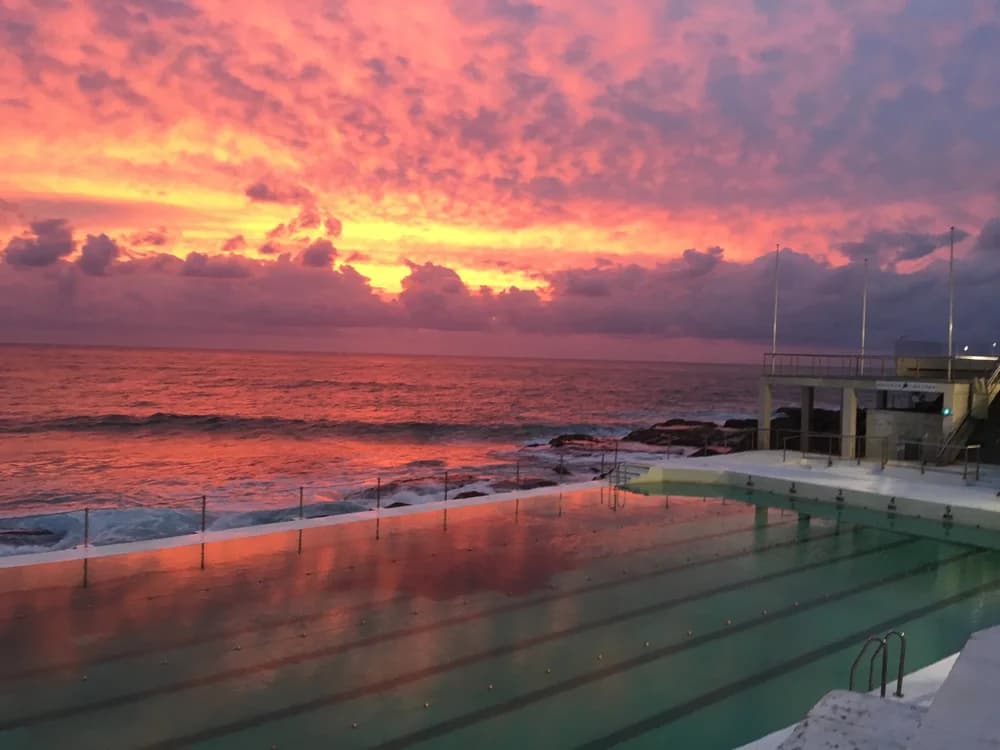
Here's the short version I give friends before they visit: Bondi is mild and swimmable for a big slice of the year, with warm summers, cool-but-sunny winters and very few genuine extremes. The one thing that catches people out is that the water and the air don't move in step - so below I've split them out. For the actual figures on your travel day, always trust the Bureau of Meteorology's Sydney forecast over any long-term average, mine included.
- Warmest month
- January (Observatory Hill mean max ~26°C)
- Coolest air
- Jun–Aug (mild, often sunny, above freezing)
- Sea range
- About 17°C in winter to 24°C at the Feb peak
- Seasons
- Opposite the northern hemisphere: summer is Dec–Feb
- Today's reading
- See our daily Bondi weather summary
Bondi sits right on the coast, so the ocean keeps things a degree or two milder than the western suburbs - cooler on a scorching day, a touch warmer on a cold winter night. Sydney's benchmark figures come from the Bureau's Observatory Hill station (066062), which has kept the city's longest continuous weather record since 1858, and January there averages a mean maximum of around 26°C.
Why the water feels colder than the air
Don't judge the ocean by the thermometer on the sand. Sydney's sea lags the seasons by a month or two: it's warmest around February and coldest in July and August, so autumn water often feels warmer than you'd expect because it's still carrying summer's heat, while a hot spring day can sit over surprisingly chilly water. From roughly May to September a lot of regulars switch to a wetsuit. For the sea specifically I lean on the NSW Government's Manly Hydraulics Laboratory readings rather than guessing.
So when should you go?
For reliable swimming and buzz, come in summer or early autumn - the sea holds summer's warmth well into April, and the crowds have thinned. If you'd trade a few degrees for space, clear skies and cheaper stays, winter and early spring are underrated: Bondi gets some of its brightest days in June and July, and you can have the sand half to yourself. Whichever month you pick, pack a light layer for the evening southerly and let the forecast make the final call.
Frequently asked questions
What are the warmest months at Bondi Beach?
January and February bring the warmest air and sea, which is why they're the busiest. December and March are close behind and usually a little quieter.
How warm is the water for swimming?
The sea runs from roughly 17°C in winter to about 24°C at the February peak. Many people wear a wetsuit from about May to September. The NSW Manly Hydraulics Laboratory publishes the current Sydney water temperature.
How cold does Bondi get in winter?
Winter days are cool but often sunny, and overnight lows stay well above freezing - snow and hard frost aren't part of the picture. Bring a jacket, but genuine cold snaps are rare. Check the Bureau of Meteorology's Sydney page for the exact forecast.
Is the Bondi Icebergs pool heated?
No - it's an unheated ocean pool fed by the Pacific, so its temperature closely follows the sea through the year.